

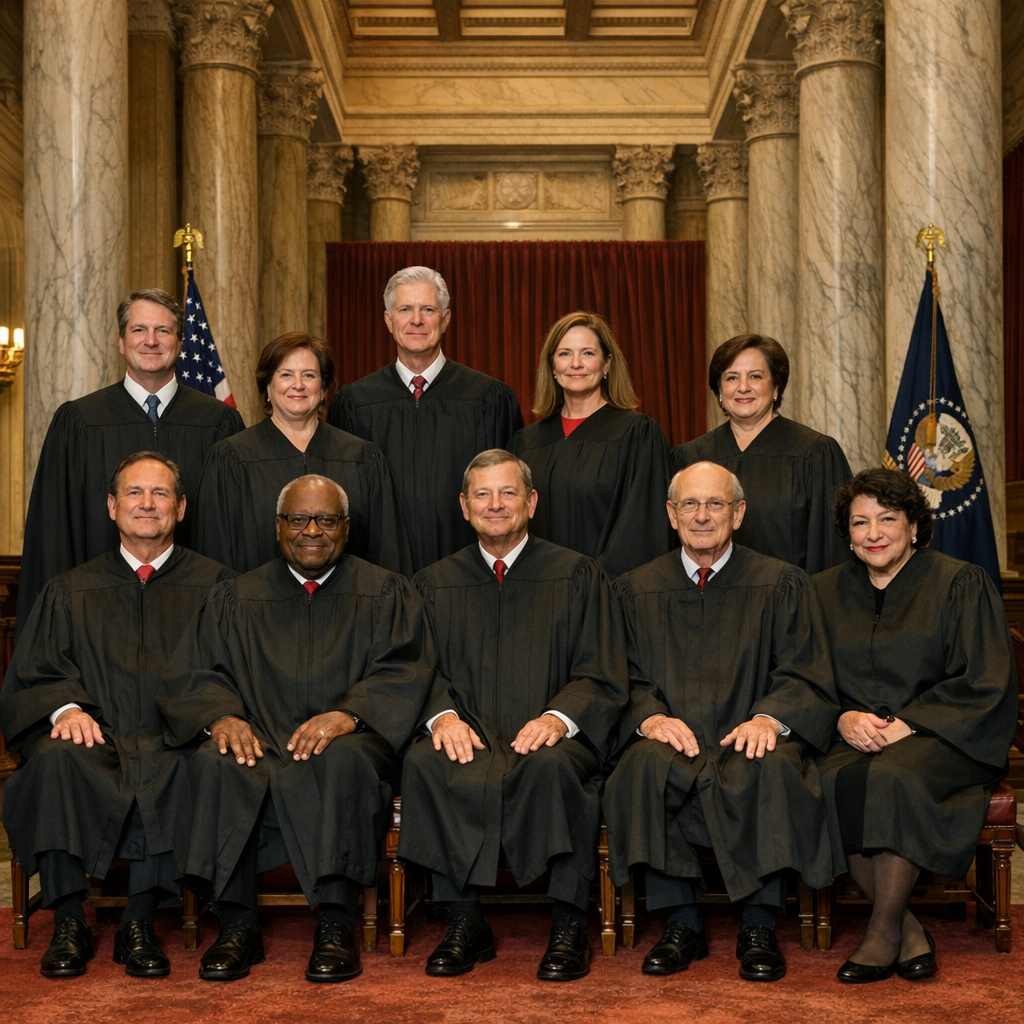
As the nation heads deeper into its current political climate, the U.S. Supreme Court’s recent decisions are reshaping the balance of power in ways that ripple across state and federal systems—and touch daily life for many Americans. Here’s a breakdown of what’s going on, what’s been decided, and why it matters, especially for folks in communities like Victorville.
Key Shifts in the Court’s Rulings
Presidential Power
The Court has moved toward giving the president more leeway to act unilaterally, especially when it comes to firing agency chiefs. Where previous laws required cause for dismissal, a recent decision upheld the president’s authority to dismiss agency heads without cause—a ruling that consolidates executive power over regulatory agencies. This has stirred debate over accountability and checks and balances at the federal level.
Voting Rights and Election Law
Another ruling overturned a long-standing campaign finance regulation, weakening constraints on political spending. Also, efforts to expand protections under the Voting Rights Act were scaled back. These decisions affect how elections are funded and conducted, potentially opening the door to more outside influence and less federal oversight.
Citizenship and Immigration Rules
One of the most watched outcomes affirmed that children born on U.S. soil are citizens under the Constitution and federal law. The Court also decided in favor of the administration’s position in some immigration disputes—giving more power to border and immigration authorities. Because these rulings involve fundamental rights, especially for immigrant families, the impacts are both legal and deeply personal.
What This Means Practically—for You and Your Community
With the Court handing the executive branch more flexibility, policy direction could swing more sharply with each administration. For ordinary citizens, that might mean faster policy shifts, less predictability in regulation, and increased stakes in voting down ballot races.
For communities like Victorville, where many residents rely on federal oversight in areas like environmental protection, education, and health care funding—changes in how agencies operate could directly affect resources and access. And for immigrant families, rulings on citizenship and deportation powers carry emotional weight: they shape who belongs, which rights apply, and where protections lie.
Looking Ahead
Congress will have chances to respond—through legislation and budget authority—but political divisions make sweeping change difficult. Legal challenges are likely to emerge, especially in sectors affected by reduced oversight or greater executive flexibility.
At the same time, the Court’s legitimacy is under growing scrutiny. Recent opinion polls show waning public trust following a series of rulings seen as aligning with one side of the political spectrum. How the judiciary balances legal precedent, fairness, and perceptions of partisanship will shape its influence in years to come.
In the end, these Supreme Court decisions aren’t just about high law—they’re about how power is exercised, who gets protection, and what rights people can count on. Understanding them is essential, whatever your politics or your zip code.